Are Landlords Responsible for Pest Control?
Mice in the kitchen, ants in the bathroom, wasps under the eaves. When pests turn up in a rental property, the first question is usually who deals with it. The answer depends on what caused the problem, and leaving it unresolved is never the safe option.
🐭 Why pests can’t be left to sort themselves out
Rats and mice chew through wiring, insulation and plasterboard, and their droppings are a health risk. Insect infestations spread quickly between rooms and neighbouring properties. Beyond the damage, a serious infestation can make a property unfit to live in, and that puts the landlord at risk of enforcement.
⚖️ What the law says
There’s no single law that says “the landlord pays for pest control”. Instead, a few overlapping duties apply:
- Fitness for habitation: rented homes must be fit to live in throughout the tenancy. A significant infestation can make a property unfit.
- Repairs: landlords are responsible for the structure and exterior, so gaps, holes and defects that let pests in are the landlord’s to fix.
- Housing standards: councils assess pests and hygiene under the Housing Health and Safety Rating System. They can serve improvement notices and take enforcement action if a hazard isn’t dealt with.
In short, if the property itself is the cause, the problem is the landlord’s.
🔍 Landlord or tenant: who’s responsible?
Usually the landlord, when:
- The infestation was there before the tenant moved in
- Pests are getting in through a structural defect, such as gaps around pipes, broken air bricks or damaged drains
- It affects shared or common areas
Usually the tenant, when:
- It’s caused by how they live in the property, such as leaving food out, not taking rubbish out or letting the garden get overgrown
- The tenancy agreement makes them responsible for keeping the property clean and dealing with minor issues
To hold a tenant responsible, you’ll need evidence that the property was pest-free when they moved in. A detailed check-in inventory with photos is what makes that possible.
🛠️ What to do when a tenant reports pests
- Respond quickly. Infestations get worse, and more expensive, the longer they’re left.
- Find the cause. Inspect for entry points, damaged drains, holes in skirting or floorboards, and signs of food waste.
- Fix the cause, not just the symptom. Seal entry points and repair defects, or traps and treatments will only buy time.
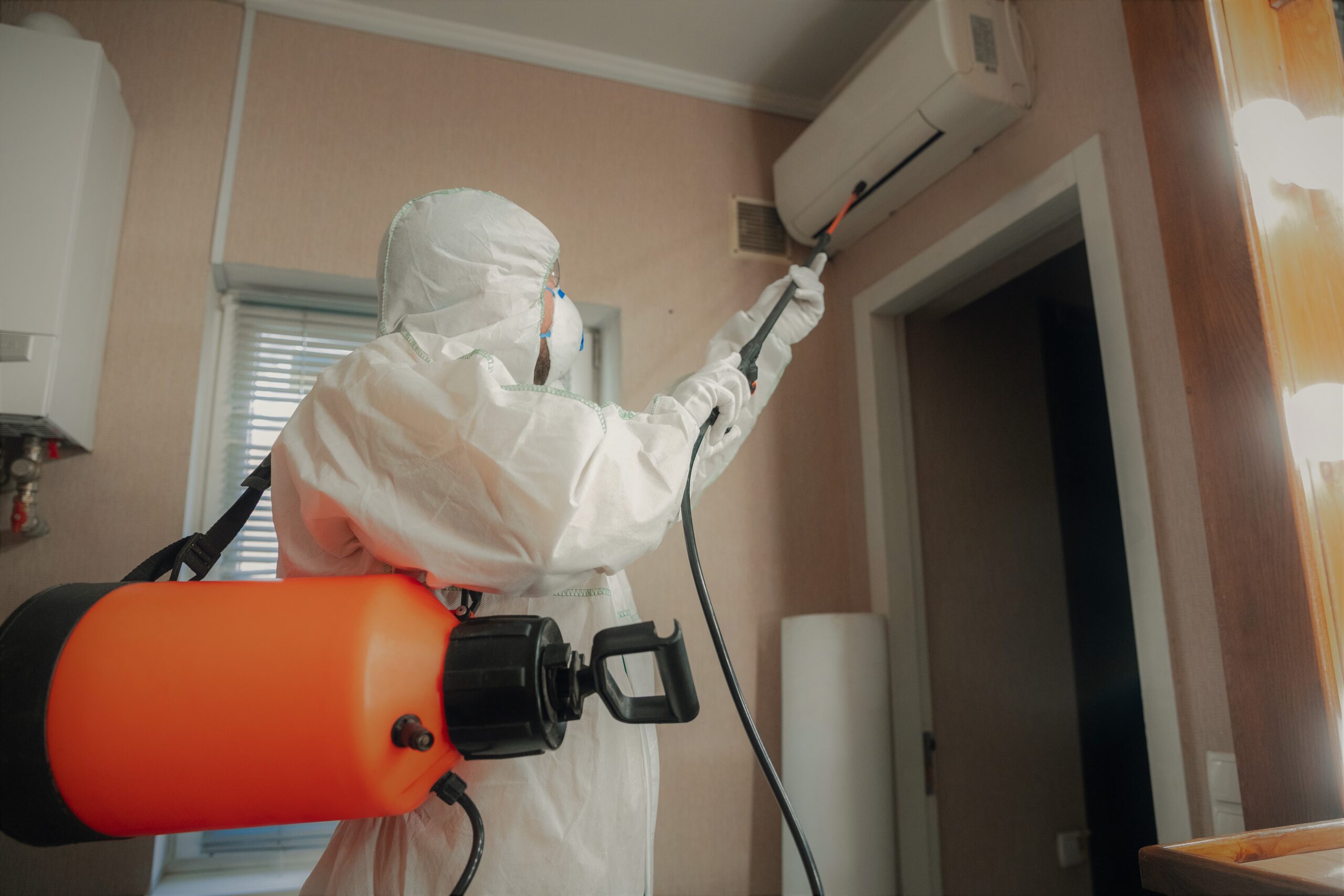
- Bring in a professional where needed. Traps may be enough for a single mouse. Rats, bed bugs, cockroaches and wasp nests need a specialist.
- Agree who pays. If the tenant caused it, explain why and point to the tenancy agreement and inventory. Keep it factual and fair.
- Keep records. Photos, reports and invoices protect you if there’s a dispute later.
🧹 How tenants can help prevent pests
- Store food in sealed containers and don’t leave waste on surfaces
- Take rubbish out regularly and keep bin lids closed
- Keep gardens and outdoor areas tidy
- Report signs of pests early, before they spread
A short note on this at the start of a tenancy saves a lot of hassle later.
🏘️ A note for HMO landlords
In a house in multiple occupation, the landlord is usually responsible for pest control in shared areas such as kitchens, hallways and bathrooms, as part of their duty to manage the common parts. Pests also spread more easily between rooms, so a fast response matters even more.
👋 How Portus handles it
On our full property management service, tenants report problems through our portal. We triage each one, work out the cause, send the right contractor and deal with the tenant directly, so you’re kept informed without having to manage it yourself. Get in touch or call us on 0151 329 3538.